logo
Products
PRODUCTS DETAILS
Home > Products >
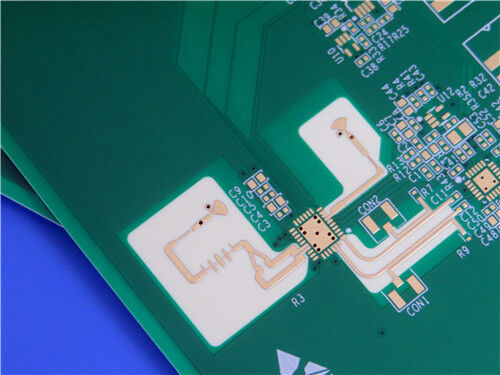
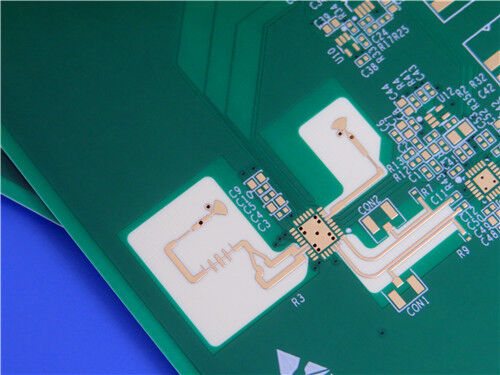
4-layer High-frequency Hybrid PCB on RO4003C and FR-4 Material

4-layer High-frequency Hybrid PCB on RO4003C and FR-4 Material

MOQ: 1PCS
Price: USD9.99-99.99
Standard Packaging: Vacuum bags+Cartons
Delivery Period: 8-9 working days
Payment Method: T/T
Supply Capacity: 5000PCS per month
Detail Information
Place of Origin
CHINA
Brand Name
Bicheng
Certification
UL, ISO9001, IATF16949
Model Number
BIC-332.V1.0
PCB Material:
F4BME275
Layer Count:
4-layer
PCB Thickness:
1.4mm
PCB Size:
200mm × 115mm (per Unit)
Solder Mask:
Green
Silkscreen:
White
Copper Weight:
0.5oz Inner Layer, 1oz Outer Layer
Surface Finish:
Immersion Gold (2 U")
Highlight:

F4BME275 high frequency laminate

,

copper clad sheet substrate

,

high frequency copper clad laminates

Product Description

This 4-layer high-frequency hybrid PCB features a composite substrate combining RO4003C and FR4 (TG175), striking an optimal balance between high-frequency performance and cost-efficiency. Manufactured in strict compliance with IPC-3 standards, it boasts precise structural control and reliable process quality, making it ideal for high-frequency signal transmission scenarios that demand stable performance and moderate cost. Integrating excellent electrical properties, mechanical stability and process compatibility, this product can meet the application needs of a wide range of electronic devices.


PCB Specifications

Specification Item Technical Specification
Layer Configuration 4-Layer Rigid PCB
Base Substrate Material RO4003C + FR4 (TG175) (Hybrid Substrate)
Finished Board Thickness 1.4 mm
Board Dimensions 200mm × 115mm (per unit), 1 piece per unit
Copper Weight (Inner Layers) 0.5 oz
Finished Copper Weight 1 oz
Surface Finish Immersion Gold (2 U")
Solder Mask & Silkscreen Green Solder Mask with White Silkscreen Text
Plated Through-Hole (PTH) Copper Thickness 25 μm
Quality Standard IPC-3 Compliant
Special Process Controlled Depth Slot (Depth tolerance is strictly maintained within ±0.05mm with real-time laser ranging feedback; slot wall angle is 85°-90° achieved via mechanical milling).


PCB Stack-Up Structure (From Top to Bottom)

Layer/Component Thickness
L1 Copper (Top Layer) 0.035 mm
RO4003C Core 0.203 mm
L2 Copper (Inner Layer 1) 0.018 mm
Prepreg 2113 0.102 mm
FR-4 Substrate (TG175) 0.6 mm
Prepreg 2113 0.102 mm
L3 Copper (Inner Layer 2) 0.018 mm
Core FR-4 (TG175) 0.203 mm
L4 Copper (Bottom Layer) 0.035 mm


4-layer High-frequency Hybrid PCB on RO4003C and FR-4 Material 0


RO4003C Substrate Introduction

RO4003C is a proprietary glass cloth-reinforced, ceramic-filled hydrocarbon composite material developed by Rogers Corporation. It merges the electrical performance of PTFE/glass cloth with the processability of epoxy resin/glass, eliminating the need for special through-hole treatments or operational procedures—setting it apart from PTFE microwave materials. Non-brominated and not UL 94 V-0 compliant, it can be replaced with RO4835 or RO4350B laminates for applications requiring flame retardancy. Its stable dielectric properties and cost-effectiveness make it widely used in high-frequency PCB manufacturing.


Application Fields

-High-frequency communication equipment: Microwave antennas, RF amplifiers, and signal transceivers.


-Automotive electronics: On-board radar, in-vehicle communication modules, and GPS navigation systems.


-Consumer electronics: High-frequency wireless devices, smart wearables, and high-speed data transmission equipment.


-Industrial equipment: Test and measurement instruments, and industrial control systems requiring stable high-frequency signals.


-Aerospace and defense: Low-cost microwave components and airborne communication equipment.


Processing Points

Processing Compatibility: Compatible with standard FR-4 equipment/processes and most tooling systems; recommended slotted pins, multiline tooling and post-etch punching; works with most photoresists and standard DES systems.


Storage: Store at 10-32°C (50-90°F); adopt first-in-first-out inventory and track material lot numbers.


Inner Layer Preparation: Thinner cores need chemical surface preparation, thicker cores allow mechanical scrub; use copper oxide or alternative process for multi-layer bonding.


Drilling: Avoid speeds >500 SFM; chip loads vary by drill diameter; standard geometry drills preferred; hole wall roughness 8-25 μm, hit counts based on PTH inspection.


PTH Processing: Surface preparation depends on material thickness; desmear usually unnecessary for double-sided boards (may be needed for multi-layer); no special metallization treatment; 0.00025” copper flash for high aspect ratio holes; no RO4003C etchback.


Copper Plating: Compatible with standard plating and SES processes; preserve post-etch surface for solder mask adhesion.


Final Finishes: Compatible with OSP, HASL and most chemical/electroplated finishes.


Routing: Use carbide tools; etch copper off routing path; circuits can be individualized via multiple methods (dicing, sawing, etc.).


Multi-Layer Bonding: Compatible with various adhesive systems; follow adhesive guidelines for bond parameters.


High-Frequency Hybrid PCB (Hybrid PCB)

A high-frequency hybrid PCB is a composite printed circuit board that integrates two or more different substrate materials (typically high-frequency and standard substrates) into a single PCB structure. It combines the strengths of each substrate: high-frequency substrates (e.g., RO4003C) are used in areas requiring high-frequency signal transmission to ensure signal integrity, while standard substrates (e.g., FR4) are used in areas needing only basic electrical connections to control production costs. This product is a typical high-frequency hybrid PCB, combining the RO4003C high-frequency substrate with the FR4 (TG175) standard substrate.


Advantages

Cost-Effectiveness: Eliminates the high cost of using high-frequency substrates for the entire board. By utilizing standard substrates in non-high-frequency areas, it significantly reduces overall PCB production costs while maintaining high-frequency performance.


Optimal Performance Matching: High-frequency areas use high-frequency substrates with low Df and stable Dk, effectively reducing signal loss, crosstalk, and delay to ensure stable high-frequency signal transmission; standard areas use FR4 substrates to meet basic electrical and mechanical requirements.


Process Compatibility: Can be processed via standard PCB production processes without the need for special production lines, facilitating mass production and improving efficiency.


Flexible Design: Can be flexibly designed based on the signal transmission requirements of different PCB areas, achieving the optimal balance of performance and cost to adapt to the design needs of various complex electronic products.


Disadvantages

Complex Design: The design process must account for differences in parameters such as thermal expansion coefficient (CTE) and dielectric properties between different substrates, increasing the difficulty of PCB layout and stack-up design.


Strict Lamination Requirements: Due to differences in the physical and chemical properties of various substrates, lamination process parameters (temperature, pressure, time) must be strictly controlled to avoid defects such as delamination and warpage between substrates.


Higher Processing Precision Requirements: Material property differences may lead to uneven processing (e.g., drilling, etching), requiring higher processing precision and increasing quality control difficulty.


Higher Technical Threshold: Requires manufacturers to have extensive experience in hybrid substrate processing, including material selection, process parameter adjustment, and defect control, raising the production technical threshold.

 

4-layer High-frequency Hybrid PCB on RO4003C and FR-4 Material 1


Products
PRODUCTS DETAILS
4-layer High-frequency Hybrid PCB on RO4003C and FR-4 Material
MOQ: 1PCS
Price: USD9.99-99.99
Standard Packaging: Vacuum bags+Cartons
Delivery Period: 8-9 working days
Payment Method: T/T
Supply Capacity: 5000PCS per month
Detail Information
Place of Origin
CHINA
Brand Name
Bicheng
Certification
UL, ISO9001, IATF16949
Model Number
BIC-332.V1.0
PCB Material:
F4BME275
Layer Count:
4-layer
PCB Thickness:
1.4mm
PCB Size:
200mm × 115mm (per Unit)
Solder Mask:
Green
Silkscreen:
White
Copper Weight:
0.5oz Inner Layer, 1oz Outer Layer
Surface Finish:
Immersion Gold (2 U")
Minimum Order Quantity:
1PCS
Price:
USD9.99-99.99
Packaging Details:
Vacuum bags+Cartons
Delivery Time:
8-9 working days
Payment Terms:
T/T
Supply Ability:
5000PCS per month
Highlight

F4BME275 high frequency laminate

,

copper clad sheet substrate

,

high frequency copper clad laminates

Product Description

This 4-layer high-frequency hybrid PCB features a composite substrate combining RO4003C and FR4 (TG175), striking an optimal balance between high-frequency performance and cost-efficiency. Manufactured in strict compliance with IPC-3 standards, it boasts precise structural control and reliable process quality, making it ideal for high-frequency signal transmission scenarios that demand stable performance and moderate cost. Integrating excellent electrical properties, mechanical stability and process compatibility, this product can meet the application needs of a wide range of electronic devices.


PCB Specifications

Specification Item Technical Specification
Layer Configuration 4-Layer Rigid PCB
Base Substrate Material RO4003C + FR4 (TG175) (Hybrid Substrate)
Finished Board Thickness 1.4 mm
Board Dimensions 200mm × 115mm (per unit), 1 piece per unit
Copper Weight (Inner Layers) 0.5 oz
Finished Copper Weight 1 oz
Surface Finish Immersion Gold (2 U")
Solder Mask & Silkscreen Green Solder Mask with White Silkscreen Text
Plated Through-Hole (PTH) Copper Thickness 25 μm
Quality Standard IPC-3 Compliant
Special Process Controlled Depth Slot (Depth tolerance is strictly maintained within ±0.05mm with real-time laser ranging feedback; slot wall angle is 85°-90° achieved via mechanical milling).


PCB Stack-Up Structure (From Top to Bottom)

Layer/Component Thickness
L1 Copper (Top Layer) 0.035 mm
RO4003C Core 0.203 mm
L2 Copper (Inner Layer 1) 0.018 mm
Prepreg 2113 0.102 mm
FR-4 Substrate (TG175) 0.6 mm
Prepreg 2113 0.102 mm
L3 Copper (Inner Layer 2) 0.018 mm
Core FR-4 (TG175) 0.203 mm
L4 Copper (Bottom Layer) 0.035 mm


4-layer High-frequency Hybrid PCB on RO4003C and FR-4 Material 0


RO4003C Substrate Introduction

RO4003C is a proprietary glass cloth-reinforced, ceramic-filled hydrocarbon composite material developed by Rogers Corporation. It merges the electrical performance of PTFE/glass cloth with the processability of epoxy resin/glass, eliminating the need for special through-hole treatments or operational procedures—setting it apart from PTFE microwave materials. Non-brominated and not UL 94 V-0 compliant, it can be replaced with RO4835 or RO4350B laminates for applications requiring flame retardancy. Its stable dielectric properties and cost-effectiveness make it widely used in high-frequency PCB manufacturing.


Application Fields

-High-frequency communication equipment: Microwave antennas, RF amplifiers, and signal transceivers.


-Automotive electronics: On-board radar, in-vehicle communication modules, and GPS navigation systems.


-Consumer electronics: High-frequency wireless devices, smart wearables, and high-speed data transmission equipment.


-Industrial equipment: Test and measurement instruments, and industrial control systems requiring stable high-frequency signals.


-Aerospace and defense: Low-cost microwave components and airborne communication equipment.


Processing Points

Processing Compatibility: Compatible with standard FR-4 equipment/processes and most tooling systems; recommended slotted pins, multiline tooling and post-etch punching; works with most photoresists and standard DES systems.


Storage: Store at 10-32°C (50-90°F); adopt first-in-first-out inventory and track material lot numbers.


Inner Layer Preparation: Thinner cores need chemical surface preparation, thicker cores allow mechanical scrub; use copper oxide or alternative process for multi-layer bonding.


Drilling: Avoid speeds >500 SFM; chip loads vary by drill diameter; standard geometry drills preferred; hole wall roughness 8-25 μm, hit counts based on PTH inspection.


PTH Processing: Surface preparation depends on material thickness; desmear usually unnecessary for double-sided boards (may be needed for multi-layer); no special metallization treatment; 0.00025” copper flash for high aspect ratio holes; no RO4003C etchback.


Copper Plating: Compatible with standard plating and SES processes; preserve post-etch surface for solder mask adhesion.


Final Finishes: Compatible with OSP, HASL and most chemical/electroplated finishes.


Routing: Use carbide tools; etch copper off routing path; circuits can be individualized via multiple methods (dicing, sawing, etc.).


Multi-Layer Bonding: Compatible with various adhesive systems; follow adhesive guidelines for bond parameters.


High-Frequency Hybrid PCB (Hybrid PCB)

A high-frequency hybrid PCB is a composite printed circuit board that integrates two or more different substrate materials (typically high-frequency and standard substrates) into a single PCB structure. It combines the strengths of each substrate: high-frequency substrates (e.g., RO4003C) are used in areas requiring high-frequency signal transmission to ensure signal integrity, while standard substrates (e.g., FR4) are used in areas needing only basic electrical connections to control production costs. This product is a typical high-frequency hybrid PCB, combining the RO4003C high-frequency substrate with the FR4 (TG175) standard substrate.


Advantages

Cost-Effectiveness: Eliminates the high cost of using high-frequency substrates for the entire board. By utilizing standard substrates in non-high-frequency areas, it significantly reduces overall PCB production costs while maintaining high-frequency performance.


Optimal Performance Matching: High-frequency areas use high-frequency substrates with low Df and stable Dk, effectively reducing signal loss, crosstalk, and delay to ensure stable high-frequency signal transmission; standard areas use FR4 substrates to meet basic electrical and mechanical requirements.


Process Compatibility: Can be processed via standard PCB production processes without the need for special production lines, facilitating mass production and improving efficiency.


Flexible Design: Can be flexibly designed based on the signal transmission requirements of different PCB areas, achieving the optimal balance of performance and cost to adapt to the design needs of various complex electronic products.


Disadvantages

Complex Design: The design process must account for differences in parameters such as thermal expansion coefficient (CTE) and dielectric properties between different substrates, increasing the difficulty of PCB layout and stack-up design.


Strict Lamination Requirements: Due to differences in the physical and chemical properties of various substrates, lamination process parameters (temperature, pressure, time) must be strictly controlled to avoid defects such as delamination and warpage between substrates.


Higher Processing Precision Requirements: Material property differences may lead to uneven processing (e.g., drilling, etching), requiring higher processing precision and increasing quality control difficulty.


Higher Technical Threshold: Requires manufacturers to have extensive experience in hybrid substrate processing, including material selection, process parameter adjustment, and defect control, raising the production technical threshold.


4-layer High-frequency Hybrid PCB on RO4003C and FR-4 Material 1


Sitemap |  Privacy Policy | China Good Quality RF PCB Board Supplier. Copyright © 2020-2026 Bicheng Electronics Technology Co., Ltd . All Rights Reserved.